

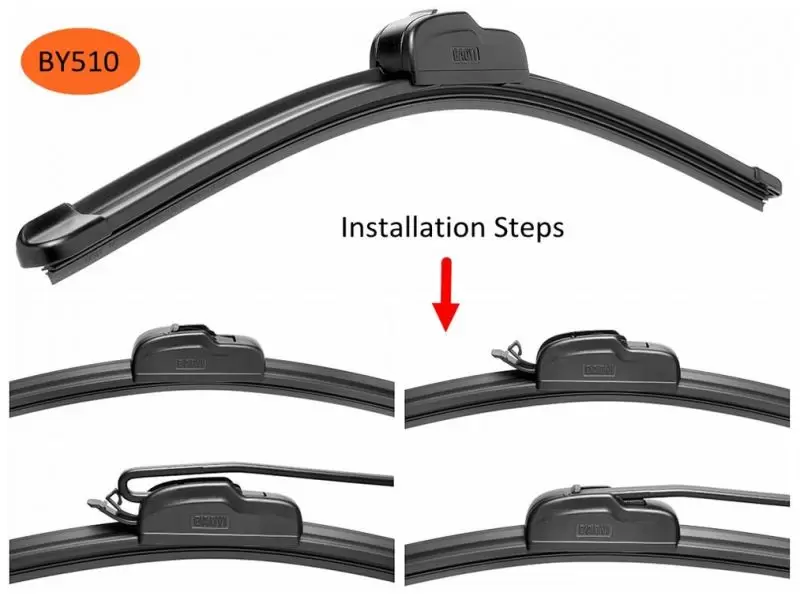
This is a video with fitting instruction of BAOYI UNIVERSAL windscreen wiper blades. Thanks to special adapters these wiper blades fit all standard 9mm “HOOK” type,Pin tab type, insert pin, side pin type arms. These are high quality wipers with a long-life gurantee. Quiet and efficient performance on the windscreen.


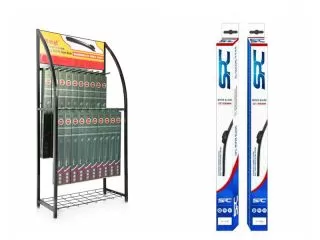
There are many different packagings for wiper blades in our factory.
We can do your own brand, MOQ 10000pcs, mixes sizes.
BAOYI wiper blade is the next generation in wiper blades. By upgrading the trusted wipe quality of a conventional wiper blade with an aerodynamic, heavy-duty design, BAOYI wiper bladeMore
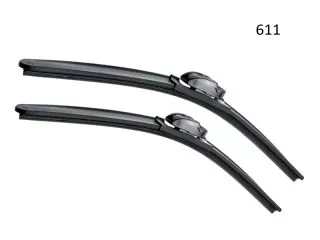
1. Similarities
A. All of them are multi-fit wiper blades with 12 adaptors. Fit for 99.9% European, American, Asian vehicles wiper arms.
More

Are you facing unstable quality, high return rates, or too many SKUs?
We supply wiper blades and related accessories for distributors and private label brands.
Send us your requirements. We will reply within 24 hours.
Are you facing unstable quality, high return rates, or too many SKUs?
We supply wiper blades and related accessories for distributors and private label brands.
Send us your requirements. We will reply within 24 hours.