


The True Cost of Importing Wiper Blades What Your FOB Price Doesn‘t Tell You
Oct 22, 2026A practical guide for distributors who want better margins, not just cheaper quotes.
You've found a supplier offering a lower price. Great news, right?
Not so fast.
There's the ocean freight. Then the import duties. Then the port charges. Then the truck to your warehouse. And somewhere along the way, you discover that half the container contains products your customers aren't exactly rushing to buy.
Congratulations. You've saved money on the quotation and found several new ways to spend it.
This is why experienced wiper blade distributors look beyond the FOB price. The real question isn't simply, "How much does one blade cost?" It's this: How much does each saleable blade actually cost by the time it reaches your business?
Let's break it down without turning this into an accounting textbook.
FOB Price: The Beginning of the Story, Not the Happy Ending
FOB prices are useful. They help you compare suppliers and understand the product cost. But they don't tell the whole story.
Imagine two suppliers offering similar wiper blades. Supplier A quotes a lower price. Supplier B quotes a little more.
Before declaring Supplier A the winner, take a closer look.
Does the packaging take up more space?
Can the same number of units fit into a container?
Are you comparing the same product specifications and packaging?
Will the order leave you with more stock than your customers actually need?
A lower unit price can be a genuine saving. Or it can be a very attractive opening act before freight, inventory and other costs take the stage.
The smarter move is to compare the total cost of getting equivalent, saleable products to your warehouse.
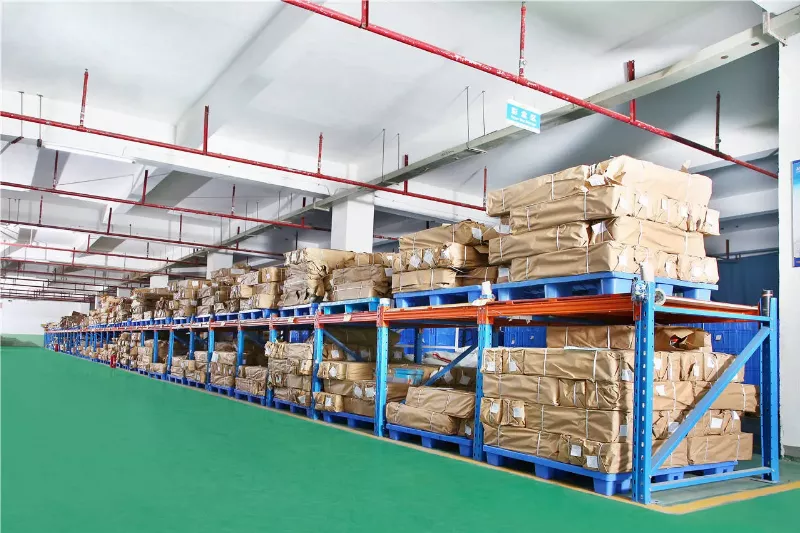
The Five Costs That Sneak Up on Your Wiper Blade Budget
Cost No. 1: The Product Itself
Let's start with the obvious one: the price of the wiper blades.
But even here, make sure you're comparing like with like. A quote for bulk-packed blades isn't directly comparable to one that includes retail-ready packaging, printed boxes or customized labels.
For a quick calculation:
Product Cost = Order Quantity × Unit Price
Simple enough. The tricky part is making sure the two quotations cover the same things.
Cost No. 2: Getting the Blades Across the Ocean
Your wiper blades may be ready to leave the factory, but your costs aren't ready to stop.
Freight and insurance depend on the route, booking date, container type and services included in the quotation. One forwarder's price may cover certain handling charges that another lists separately.
So when comparing shipping quotes, don't ask only, "How much?" Ask, "Exactly what is included?"
Otherwise, you may be comparing one complete meal with another that charges extra for the cutlery.
Ask your forwarder to clarify the costs for origin handling, ocean freight, insurance, destination handling and inland delivery. The actual list will depend on your shipping arrangement.
Cost No. 3: Import Duties and Taxes
Import duties can make a meaningful difference to your final cost. Unfortunately, there isn't one universal tariff rate for every wiper blade shipment.
The applicable treatment depends on the destination, product classification, country of origin, customs value and rules in force when the goods are imported.
Before placing an order, confirm the applicable duties and taxes with your customs broker. For U.S. imports, check the current HTSUS classification and any additional measures that may apply. For EU imports, verify the current classification and measures in TARIC.
One important rule: don't build your profit calculation around a tariff figure copied from an old article or a random online discussion. Your accountant may forgive you. Your profit margin may not.
Cost No. 4: The Charges After Arrival
The ship has arrived. Time to celebrate?
Almost. Depending on your shipping arrangement, you may still have destination handling, customs clearance, documentation, port charges and inland transportation to consider.
Delays can also create extra costs, so make sure you understand the required documents, collection arrangements and applicable free-time conditions.
The lesson is simple: ask for a breakdown before the shipment moves, not after the invoice arrives.
Cost No. 5: The Money Sitting in Your Warehouse
Here's a cost that's easy to overlook: the money tied up in inventory.
Buying more may reduce the unit price. But if those extra blades take months to sell, your cash is sitting on a shelf instead of helping your business do something else.
You can estimate the financing cost using this formula:
Financing Cost = Cash Tied Up × Annual Financing Rate × Days ÷ 365
Use your actual financing rate and the period your money is committed. This is a simplified estimate, but it helps reveal a cost that the supplier's quotation won't show you.
Remember: inventory isn't a problem just because it's expensive. It's a problem when too much cash gets stuck in products that aren't moving.
Calculate the Cost Per Blade Before You Celebrate the Deal
Now let's put the pieces together.
For a useful comparison, collect these figures for your actual shipment:
Total product cost
Freight and insurance
Applicable import duties and taxes
Destination and inland transportation charges
Other relevant shipment costs
Number of saleable units received
Then use this formula:
Total Landed Cost = Product Cost + Freight and Insurance + Applicable Duties and Taxes + Destination Charges + Other Relevant Import Costs
Landed Cost Per Saleable Blade = Total Landed Cost ÷ Saleable Units
Use the same cost categories when comparing suppliers. Otherwise, one quotation may look cheaper simply because some costs haven't been counted yet.
Also keep import VAT separate from the final economic cost where appropriate. Depending on your business and local rules, it may be recoverable, although it can still affect cash flow.
Once you have a realistic cost per blade, you can make a much better decision about pricing, margins and order quantities.
Container Loading: Every Inch Has a Job
When importing wiper blades in bulk, packaging dimensions matter more than you might think.
A container has limited space and a weight limit. Your products, individual packaging, outer cartons and loading arrangement all affect how much can be shipped safely.
Before confirming your order, ask for:
Individual product packaging dimensions
Outer carton dimensions
Units per carton
Carton gross weight
An estimated loading plan based on your selected products
Don't assume that smaller packaging automatically means a better deal. It must still protect the product and suit the way you sell it.
For retail distribution, packaging may need to look good on a shelf. For other channels, a simpler format may be more practical. The right choice depends on your customers and sales model.
And remember: a loading estimate is only as reliable as the dimensions and product mix behind it. Get the details confirmed before using it to calculate your freight cost per blade.
A Container Full of Stock Isn't Always a Container Full of Profit
Here's a question worth asking before every large order: are you buying products your customers need, or products that happen to make the container look impressively full?
A wide product range can help distributors cover more vehicle applications. But every additional SKU also needs forecasting, storage, labeling and replenishment.
Your warehouse is not a museum for wiper blades. Every product should have a commercial reason to be there.
Start by reviewing your sales data and grouping products into three categories:
Core products: Models with consistent demand that deserve regular replenishment.
Growth products: Models showing promising demand that you want to develop carefully.
Slow-moving products: Models that need closer review before you order more.
Use your own sales figures to determine the right balance. Don't guess the ideal product mix simply because a market has a large number of vehicle models.
For vehicle-specific rear wiper blades, fitment accuracy also matters. Confirm the intended vehicle applications and connector compatibility before ordering. A product that doesn't fit the intended vehicle can lead to returns, extra handling and unhappy customers.
The goal isn't to fill every available space with as many SKUs as possible. It's to use your purchasing budget on products that have a realistic chance of selling.
MOQ: When a Lower Unit Price Becomes an Expensive Decision
Suppliers may offer better unit prices at higher order quantities. That can be useful, but a bigger order isn't automatically a better order.
Suppose a larger MOQ reduces your purchase price. Before accepting, ask yourself:
How long will it take to sell the extra stock?
Will demand remain stable during that period?
How much cash will be tied up?
Could that money be used for faster-moving products?
If the savings are small but the extra inventory sits around for months, the deal may not be as attractive as it first appears.
Discuss your expected demand and product mix with your supplier. Depending on the products and production arrangements, you may be able to explore suitable quantities or combinations.
Always confirm the actual MOQ, pricing and available options for your specific order. These can vary by product and customization requirements.
Don't Forget the Calendar: Payment, Production and Replenishment
Cash flow isn't just about how much you pay. It's also about when you pay and when you can sell the products.
Your money may be committed before production begins, while the stock may only become available for sale after production, shipping and customs clearance.
Before placing an order, make sure you understand:
The deposit and balance payment terms
The expected production lead time
The shipping and customs process
The time needed to receive and prepare the goods for sale
When you should reorder fast-moving products
Better planning helps you avoid two familiar headaches: running out of popular products and watching slow-moving stock occupy valuable warehouse space.
The right order quantity should reflect demand, replenishment time, available cash and the supplier's actual terms—not just the most attractive price on the quotation.
8. Your Pre-Order Checklist
Before you approve the next wiper blade order, run through this list:
Am I comparing equivalent products and packaging?
Have I confirmed the MOQ, price and payment terms?
Do I have the actual carton dimensions and packing details?
Has the loading estimate been checked against the selected products?
Does the freight quotation clearly state what is included?
Have the applicable import duties and taxes been verified?
Have I accounted for destination and inland transportation charges?
Does the product mix reflect actual sales demand?
Have I calculated the cost per saleable blade?
Will the order leave enough working capital for other business needs?
If you can answer these questions confidently, you're comparing more than prices. You're comparing the real commercial value of each offer.
Frequently Asked Questions
What is the landed cost of a wiper blade?
It is the cost of getting imported wiper blades to the agreed destination, including the product price and relevant freight, insurance, duties and destination expenses. Businesses may also track financing and handling costs separately to understand the full impact on profitability.
How do I compare two wiper blade suppliers fairly?
Compare equivalent specifications, packaging, order quantities, payment terms and lead times. Then calculate the landed cost per saleable unit using the same cost categories and verified figures.
How many wiper blades fit in a container?
There is no single quantity that applies to every product. The result depends on product dimensions, packaging, carton arrangement, total weight and container limits. Request a loading estimate based on the actual products and packing specifications.
Should I order more to get a lower MOQ price?
Not automatically. A lower unit price can be offset by financing costs, storage expenses and slow-moving inventory. Compare the expected savings with your sales forecast and working capital before increasing the order quantity.
What should I confirm before importing wiper blades?
Confirm the product specifications, vehicle applications where relevant, packaging details, MOQ, production lead time, shipping costs, customs requirements and payment terms. Verify duties and taxes for the actual product and destination before finalizing your cost estimate.

Let's Talk About Your Next Wiper Blade Order
Good sourcing isn't about finding the lowest number on a quotation. It's about choosing products, packaging and order quantities that make commercial sense for your market.
At BAOYI, we work with wiper blade distributors and private-label customers on product selection and wholesale requirements.
If you're planning a new order or reviewing your current product range, tell us a little about your business:
Destination market: Which country or port are you importing to?
Estimated annual demand: What is your approximate purchasing volume?
Packaging preference: Blister, sleeve or bulk packaging?
Product requirements: Which wiper blade types or vehicle applications are you interested in?
With these details, we can better understand your requirements and discuss suitable products and packaging options.
Contact BAOYI to request a product catalog and discuss your wholesale requirements.
Note: Import duties, taxes, freight charges and destination costs vary by shipment and market. Confirm current costs with your freight forwarder and customs broker before making purchasing decisions.