
When you're building a rear wiper catalog for the aftermarket, the first question isn't just "what's the price?" It's "what's actually going to fit the cars in my market and stay on the shelf without coming back?"We're seeing more vehicle models with unique rear window design
More
The Real Cost of Choosing a Cheap Rear Wiper SupplierWhen you're sourcing rear wiper blades for the aftermarket, the purchase price on the quote sheet is often the least of your worries. A supplier that cuts corners on fitment or material quality won't just cost you the margin—they'll co
More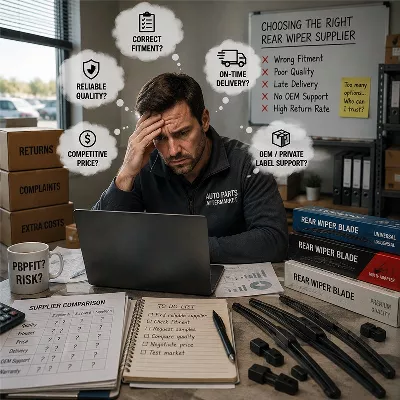
When you're building a brand in the automotive aftermarket, your product's packaging is a lot more than just a protective shell. It's often the very first interaction a customer has with your label—and it silently communicates who you are, what you stand for, and whether they can trust y
More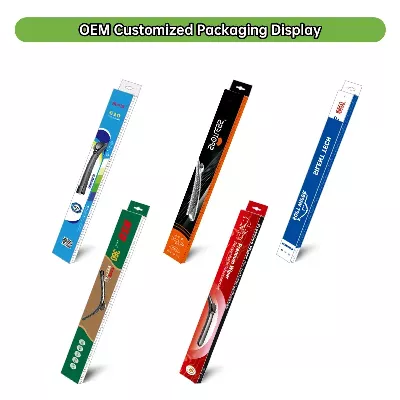
Choosing the correct rear wiper blade size is an important part of vehicle maintenance and aftermarket sourcing. Unlike front windshield wipers, rear wiper blades are often designed for specific vehicle models, making size compatibility a key consideration for distributors, retailers and automotive
More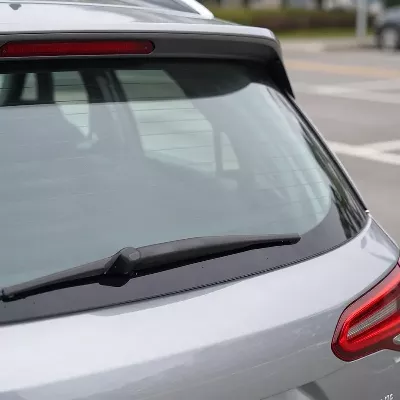
Sustainability is becoming an increasingly discussed topic in the automotive parts industry. However, for professional buyers, sustainability is usually only one part of the purchasing decision.When sourcing automotive components, distributors and brands still need to consider product quality, suppl
More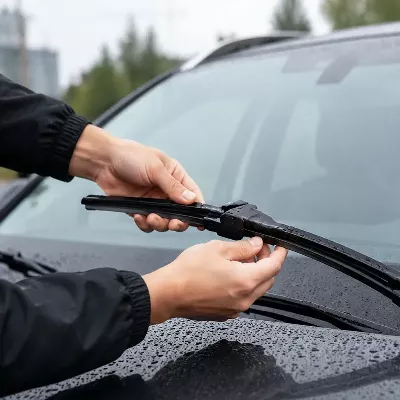
Recently, a customer from Poland visited BAOYI®, a professional wiper blade manufacturer in China, for an on-site factory audit and discussions on future OEM cooperation. During the visit, the customer toured our windshield wiper production facilities, reviewed our quality management system, an
More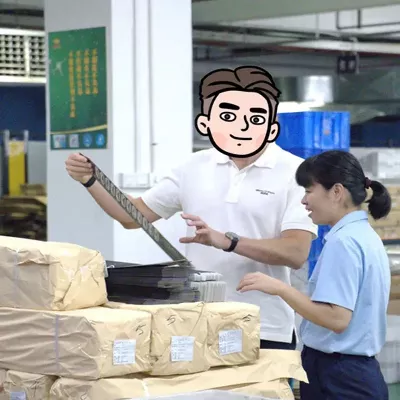
Many rear wiper purchasing discussions start with the same question:Should we stock exact-fit rear wipers or move toward a universal rear wiper system?At first glance, the answer seems obvious. Exact-fit products are designed for specific vehicle models, so they appear safer and easier to manage.But
More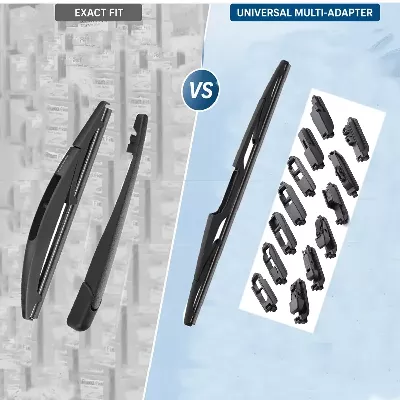
On May 13, a customer group from South Korea visited Yujin Plastic for an on-site factory audit and technical exchange focused on windshield wiper blade manufacturing, production control, and OEM cooperation possibilities.For most overseas buyers, especially in the automotive aftermarket, a factory
More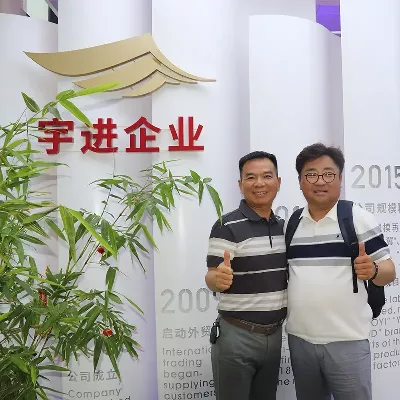
Are you facing unstable quality, high return rates, or too many SKUs?
We supply wiper blades and related accessories for distributors and private label brands.
Send us your requirements. We will reply within 24 hours.
Are you facing unstable quality, high return rates, or too many SKUs?
We supply wiper blades and related accessories for distributors and private label brands.
Send us your requirements. We will reply within 24 hours.

OEM wiper blade manufacturer since 2004,
Serving global distributors & private label brands.