


Windshield Wiper System Components A Practical Guide for Auto Parts Distributors Wholesale Buyers
Mar 30, 2026Where Most Wiper Problems Actually Start
One of the most common situations we hear from distributors is this:
A customer complains that the wiper blade “doesn’t clean properly.” The blade gets replaced — and the complaint comes back again. So where’s the real problem?
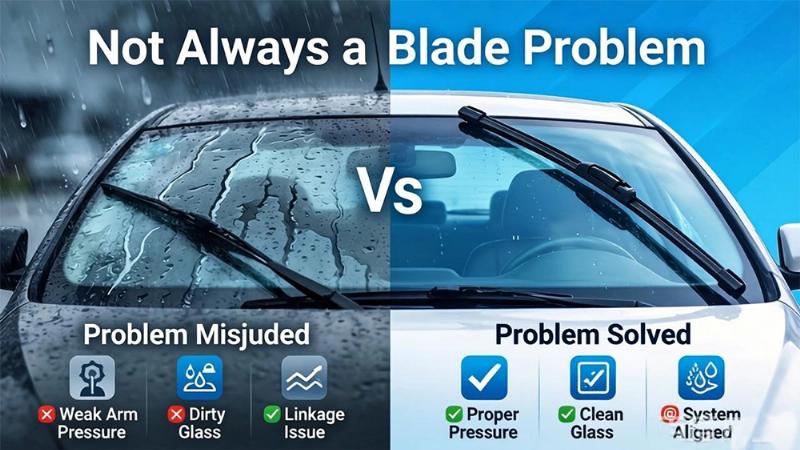
In many cases, it’s not the blade at all. It could be weak arm pressure, worn linkage, or even something as simple as a blocked washer nozzle. But when everything gets blamed on the blade, the real issue never gets solved.
For wholesalers and auto parts buyers, understanding how each part of the wiper system works together isn’t just technical knowledge — it directly affects return rates, customer trust, and product selection decisions.
What Actually Makes Up a Wiper System
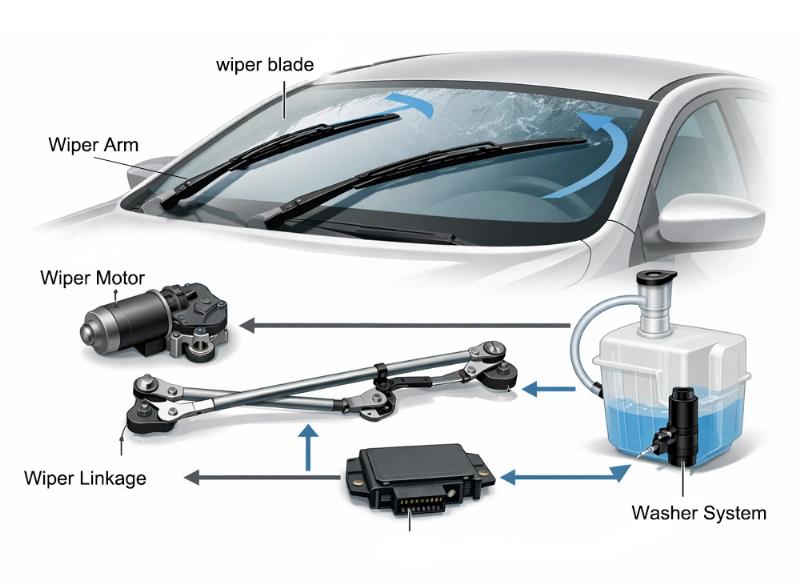
A complete windshield wiper system includes:
Wiper motor
Wiper linkage
Wiper arm
Wiper blade
Washer system
On paper, it looks simple. In practice, these parts are tightly connected. A small issue in one component can easily show up as a “blade problem.”
That’s why looking at the system as a whole is more useful than focusing on a single part.
Wiper Motor
The motor is the power source behind the entire system. Most vehicles use permanent magnet or brushless DC motors, usually running somewhere between 30–70 RPM depending on speed settings.
When a motor starts to fail, the signs are obvious:
No movement
Uneven speed
Stops mid-cycle
Motor issues don’t usually show gradual wear like blades do. They tend to fail suddenly. For distributors, that means complaints come without warning — and often feel more serious to end users.
Consistency matters more than specs. A motor that performs the same way across batches is far more valuable than one that only looks good on paper.
Wiper Linkage
The linkage sits between the motor and the arms. Its job is simple: convert rotation into the back-and-forth motion that clears the windshield.
Once wear starts — especially in bushings or joints — things go off quickly:
One side moves slower
Wiping becomes uneven
Coverage gets incomplete
Customers may describe it as “the blade missing spots,” when the real issue is uneven movement. Loose linkage makes the entire system feel unstable.
Wiper Arm
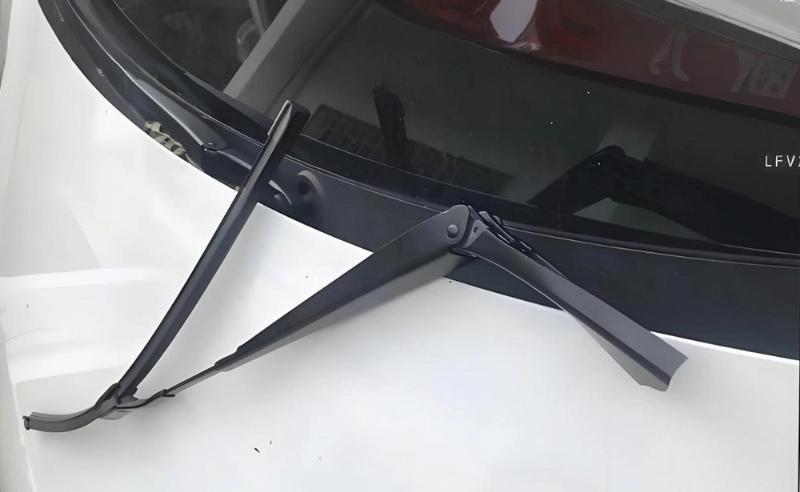
If there’s one factor that gets overlooked again and again, it’s arm pressure. The arm presses the blade evenly against the glass via an internal spring — not too weak, not too strong.
Common issues include:
Weak pressure → streaking or skipping
Incorrect angle → uneven contact
Mismatch with blade connector → instability
Different markets also use different arm types:
Hook (most common)
Pin
Bayonet
Top-lock / flat arms
If the fitment isn’t correct, even a high-end blade won’t perform as expected.
Wiper Blade
Structure: You Can Tell the Difference Immediately
Quality blades usually have multi-segment spring steel design, distributing pressure evenly across the windshield. Lower-end blades concentrate pressure in the center, leaving edges barely touching the glass.
Center wipes clean
Edges leave water behind
Aerodynamics: Why Some Blades Lift at High Speed
Aerodynamic spoilers push the blade down at high speeds. Without them, even good blades can lose contact on highways, causing inconsistent wiping.
Material: Not Just Rubber vs Silicone
Natural rubber: flexible, cost-effective, widely used
Silicone: longer-lasting, better in UV and extreme weather
Coated rubber (graphite / Teflon): smoother, quieter, less friction
Blade Types and Where They Fit Best
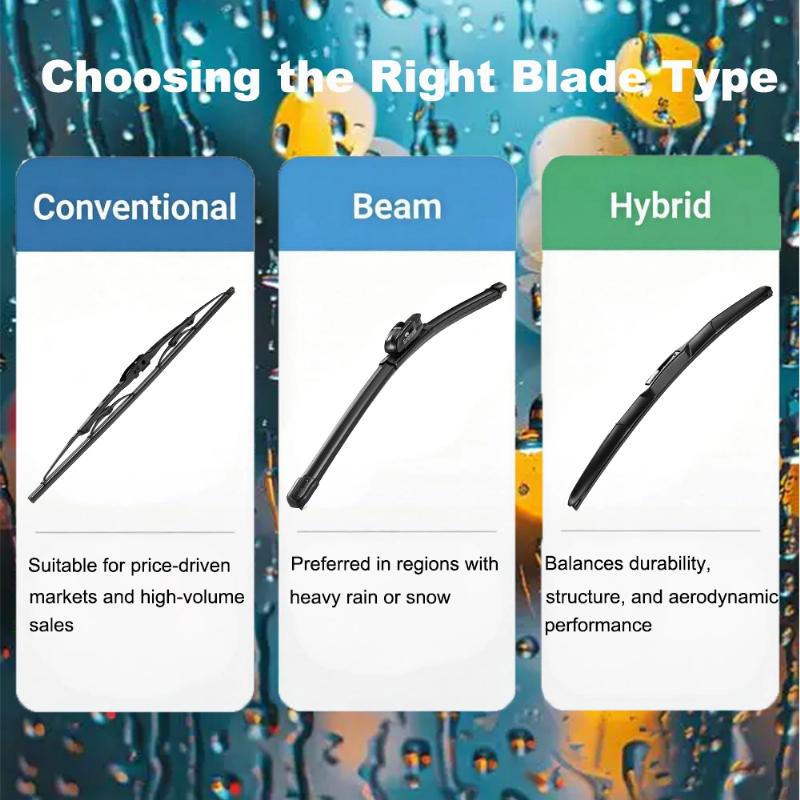
| Blade Type | Best Fit Application | Market Insight |
|---|---|---|
| Conventional | Standard vehicles, basic usage | Suitable for price-driven markets and high-volume sales |
| Beam | Curved windshields, harsh weather conditions | Preferred in regions with heavy rain or snow |
| Hybrid | Mixed driving conditions | Balances durability, structure, and aerodynamic performance |
In real-world use, the blade determines most of the wiping result, though it’s not always the root cause of problems.
Washer System
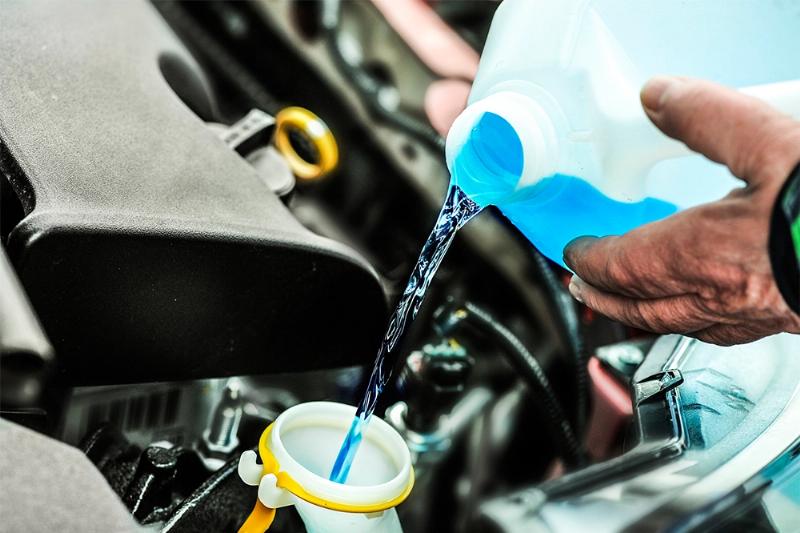
Many “bad wiping” complaints come from simple washer issues: empty reservoir, blocked nozzles, or weak pumps. Restoring fluid or cleaning nozzles often solves the problem immediately.
Glass Contamination – The Hidden Cause Most People Miss
Oil films from pollution, road grime, or improper cleaning can prevent blades from wiping cleanly. Until this layer is removed, even new blades may leave streaks or smears.
Common Problems We See in the Field
| Problem | Likely Cause | What to Check First |
|---|---|---|
| Streaks or lines | Worn or hardened rubber | Check fluid first, then blade condition |
| Skipping or noise | Dry rubber or arm pressure | Inspect arm tension and blade surface |
| No movement | Fuse or motor | Start with fuse — often overlooked |
| Uneven wiping | Linkage wear or misalignment | Look for loose joints or delayed movement |
| Poor cleaning | Washer system issue | Check nozzles and fluid supply |
Choosing the Right Setup for Different Markets
Colder climates → more demand for beam or silicone blades
Price-sensitive markets → conventional blades dominate
Mixed vehicle fleets → multi-fit solutions reduce SKU pressure
Matching product structure to market demand is often more important than chasing the highest spec for distributors.
OEM vs Aftermarket – What Actually Matters
OEM parts focus on exact fit and consistency. Aftermarket products focus on flexibility:
Wider compatibility
Adaptable connectors
Scalable supply
For bulk buyers, flexibility often wins as long as quality remains stable.
Why the Blade Still Matters Most
The blade is where performance becomes visible. Motor, linkage, and arm support movement, but the blade decides whether the windshield ends up clear or not.
Better structure and material reduce complaints, extend replacement cycles, and make the product easier to sell repeatedly.
A Final Thought from Experience
Price competition exists, but the bigger problem usually isn’t price — it’s mismatch: wrong product, wrong market, wrong diagnosis. Many “product problems” are actually selection or system issues.
Still Getting Complaints Even After Replacing the Blades?
If you’ve dealt with customers returning wiper blades that “don’t work,” you’re not alone. Often, the issue isn’t the product itself but system mismatch, oil film, arm pressure, or installation differences.
If you're currently:
Testing new suppliers
Adjusting your product range
Trying to reduce return rates
It may be worth reviewing the full wiper system rather than focusing on a single component.
📧 enquiry@xmyujin.com
Reach out for product suggestions, sample options, or a quick discussion — sometimes a small adjustment can solve a long-standing issue.