


Wiper Blade Quality Control: How BAOYI Ensures Consistent Production
Nov 20, 2026A wiper blade may look like a simple automotive component, but its performance depends on several factors working together. Poor wiping performance, adapter fitment problems or premature wear can quickly lead to customer complaints and product returns.
For distributors and aftermarket brands, receiving a good sample is only the first step. The real challenge is making sure that the quality remains consistent when an order moves into mass production. This is why quality control needs to be part of the entire manufacturing process, not just the final inspection.
1. Quality Starts with the Materials
The quality of a wiper blade begins long before assembly. Rubber refills, spring steel, adapters and plastic components all influence the final product's fitment, wiping performance and durability.
Even small differences in material quality can affect how a blade performs after installation. For this reason, incoming materials are checked before entering the production process. These inspections help identify potential problems early and reduce the risk of inconsistent components reaching the assembly line.
2. Quality Checks During Manufacturing
Quality control does not stop after materials pass inspection. During manufacturing, different production stages also require attention.
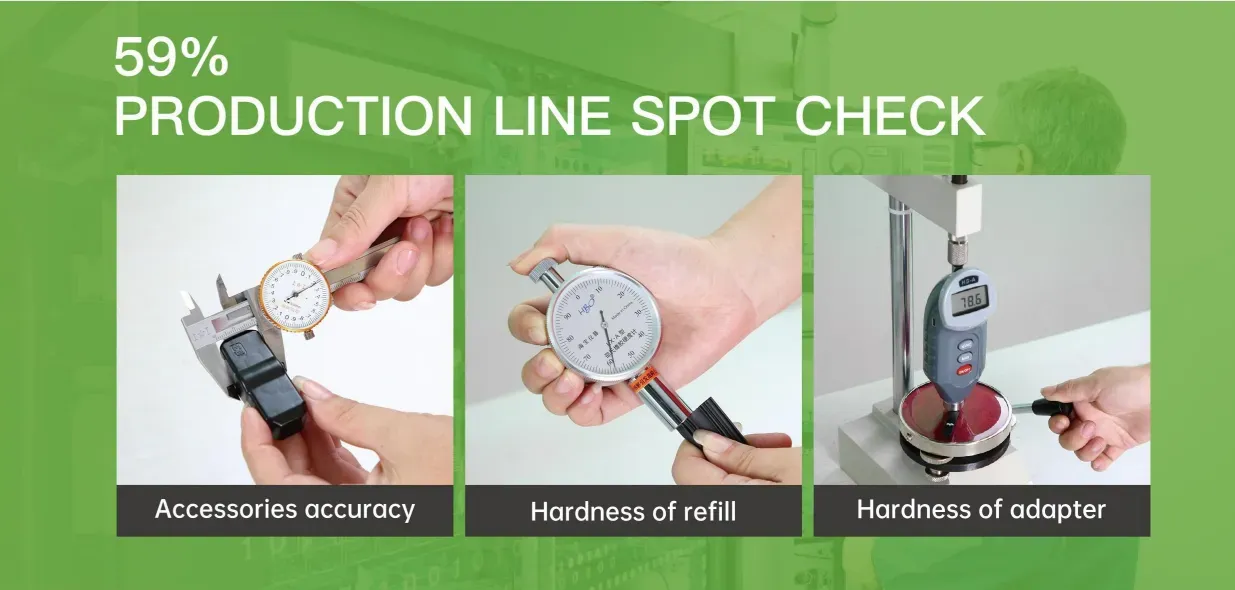
At BAOYI, the quality control team works closely with laboratory personnel to monitor product quality and carry out relevant inspections. In addition to an independent laboratory, dedicated inspection stations are available on the production line, allowing quality checks to be incorporated into daily manufacturing operations.
This approach helps identify potential issues during production rather than waiting until the entire order has been completed. It also supports more consistent quality across different production batches.
3. Testing for Durability and Environmental Conditions
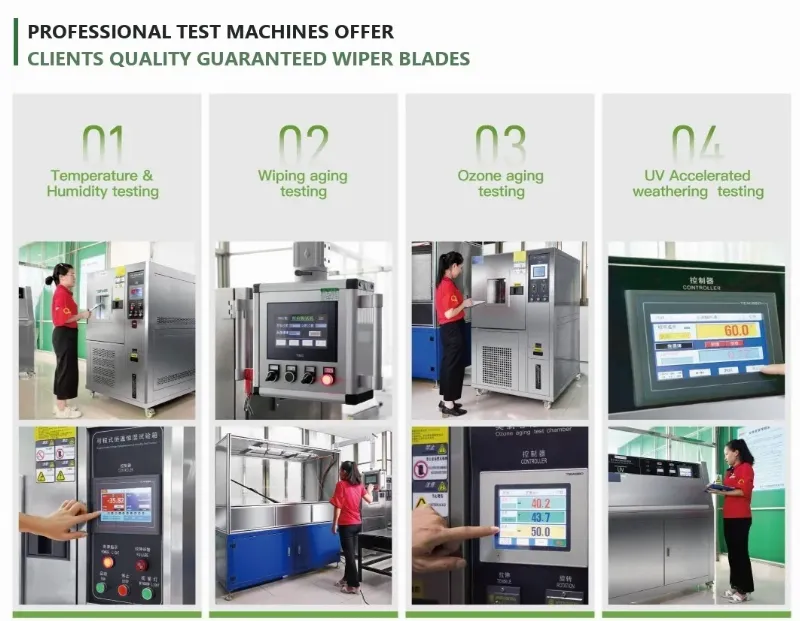
Wiper blades are exposed to changing weather conditions throughout their service life. Heat, cold, humidity, sunlight and ozone can all affect the materials used in a wiper blade.
To evaluate product performance under different conditions, relevant testing may include:
Temperature and humidity testing
Wiping aging testing
Ozone aging testing
UV accelerated weathering testing
These tests help evaluate how materials and products respond to different environmental conditions over time. Selected tests are conducted in-house, while specialized testing procedures are supported by third-party testing facilities.
Testing is an important part of understanding product performance and identifying areas for improvement. It provides manufacturers with useful information for quality management and product development.
4. A Laboratory and Production System That Work Together
Effective quality management requires more than testing equipment alone. It also depends on how inspections are organized and carried out throughout production.
BAOYI has an independent laboratory as well as inspection stations on the production line. The quality control process covers incoming materials, in-process production and finished products.
By combining laboratory testing with production-line inspections, the team can monitor quality at different stages of manufacturing. This helps identify potential issues earlier and supports more stable production results.
5. Manufacturing Capacity Matters, Too
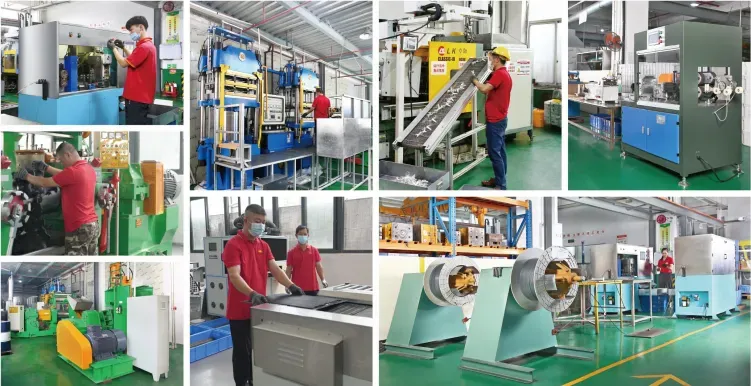
Quality control and manufacturing capacity need to work together. A supplier may produce a good sample, but maintaining consistent quality across different products and larger orders also requires suitable equipment, production facilities and manufacturing experience.
BAOYI operates a 17,000㎡ manufacturing facility with more than 60 production machines and over 300 molds. This manufacturing setup supports the production of different wiper blade solutions, including multi-fit wiper blades, vehicle-specific wiper blades and rear wiper blades.
With OEM and ODM capabilities, BAOYI works with distributors, importers and aftermarket brands on products designed for different markets and business requirements.
6. What Should Buyers Look for in a Wiper Blade Supplier?
When evaluating a wiper blade manufacturer, buyers should look beyond product samples and quotations. Understanding how a supplier manages quality can help reduce purchasing risks and avoid problems after delivery.
Here are a few practical questions worth asking:
Are incoming materials inspected before production?
Are quality checks carried out during manufacturing?
Does the factory have its own laboratory and testing equipment?
Which tests are performed in-house, and which are handled by third-party facilities?
Does the supplier have the equipment and product range to support different order requirements?
These questions can give buyers a clearer picture of a supplier's manufacturing and quality management capabilities. A reliable partnership depends not only on the product itself, but also on the systems behind it.
Working with BAOYI
With more than 20 years of experience in wiper blade manufacturing, BAOYI focuses on providing practical wiper blade solutions for global distributors, importers and aftermarket brands.
From material inspection and production monitoring to laboratory testing and manufacturing management, quality control is an ongoing part of our daily operations. Combined with our manufacturing capabilities and OEM/ODM services, we aim to help business partners build reliable product ranges for their markets.
Explore BAOYI's wiper blade solutions and discover how we can support your business.