

Regular cleaning of windshield wiper blades is essential for maintaining visibility. However, in real aftermarket environments, frequent cleaning usually points to a deeper issue.
Is alcohol really solving the problem — or is it simply masking a limitation in blade quality?
For Distributors, Importers & Workshops
In many markets, repeated cleaning often comes with:
Ongoing customer complaints
Shorter-than-expected product lifespan
More frequent replacements than planned
From a sourcing perspective, cleaning is not always the root solution. This guide looks at when it helps—and when it doesn’t.
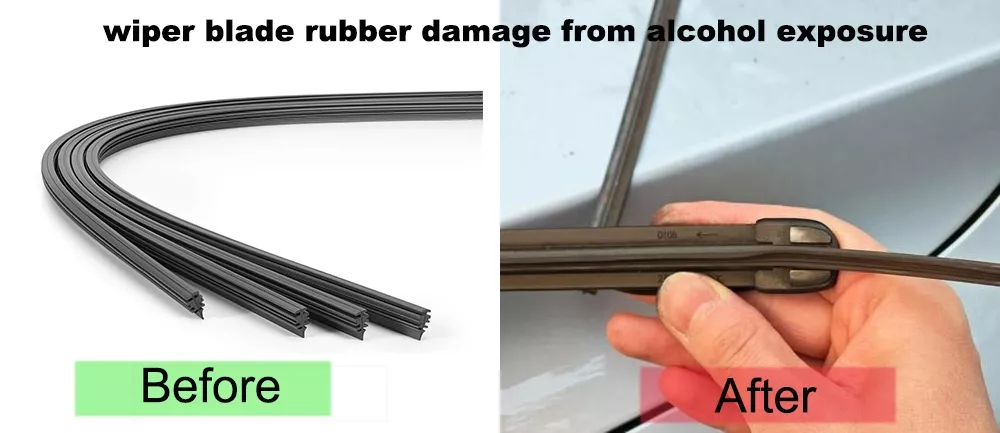
Over time, repeated alcohol use can dry out rubber and accelerate cracking.
Rubbing alcohol (isopropyl alcohol) is widely used because it removes oil, dirt, and road film quickly. In the short term, it often improves wiping clarity.
That’s why many workshops and car owners rely on it—it’s simple, accessible, and works fast. At least initially.
Breaks down grease and contaminants effectively
Evaporates quickly without leaving residue
May reduce noise temporarily
Gradually dries out rubber and reduces flexibility
In harsher climates, cracking can appear sooner than expected
Overall lifespan tends to shorten with repeated use
The actual impact depends a lot on rubber formulation and whether the blade uses any protective coating.
Looking deeper into performance differences?
👉 Compare coating types and how they affect durability and noise
👉 Understand how blade structure impacts long-term performance
From what we’ve seen in production and feedback from distributors, lower-grade rubber tends to attract contamination faster. It also wears unevenly, which makes cleaning feel necessary more often.
Blades with graphite, Teflon, or silicone coatings usually perform more consistently. They reduce friction and are less likely to build up residue quickly.
Without these coatings, blades rely more on manual cleaning—which, over time, can actually speed up wear.
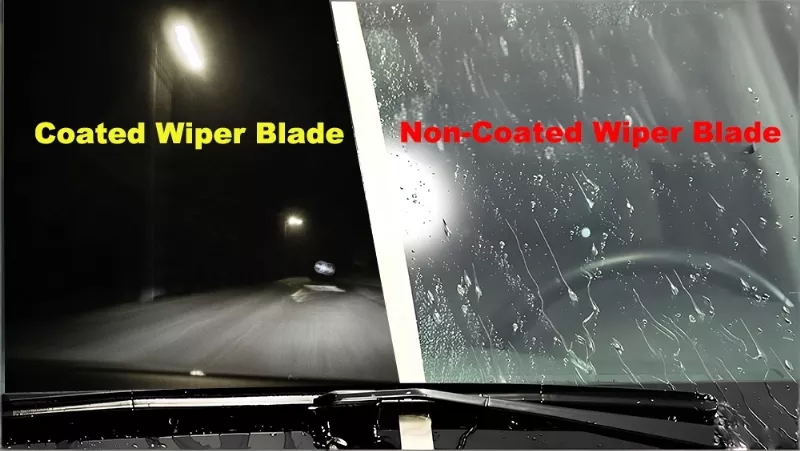
Coated blades typically require less maintenance and show more stable performance.
Blades are still relatively new
Contamination is light and temporary
Noise continues even after cleaning
Rubber shows signs of hardening or cracking
End users report repeated issues
In these situations, cleaning might help briefly—but it rarely solves the root problem.
Inconsistent rubber compound quality
Lack of effective surface coating
Variations in manufacturing consistency
In other words, cleaning behavior often reflects product limitations rather than maintenance habits.
Use it occasionally, not as routine maintenance
Apply with a lightly damp cloth instead of soaking
Avoid repeated exposure over short periods
Rubbing alcohol can improve wiping performance temporarily, but it is not a long-term solution. Overuse may even accelerate rubber degradation.
For distributors and importers, selecting wiper blades with stable materials and consistent production quality is the most effective way to reduce complaints and extend product lifecycle.
Product performance is not just about cleaning — it starts with material selection and manufacturing consistency.
👉 Learn how to choose the right blade specifications for different markets
📩 Request product recommendations and bulk pricing:
enquiry@xmyujin.com