
Many aftermarket distributors focus heavily on front wiper blades when building their product range. Rear wipers are often treated as a secondary category.That usually works at the beginning.The challenge appears later.As vehicle coverage expands, more rear wiper references are added to support diff
More
Rear wiper blades usually don’t get much attention at the beginning of sourcing plans. Most buyers start with front wipers because the demand is larger and easier to forecast.Rear wipers come later. Sometimes very late.That’s usually where problems start showing up in real projects — not performance
More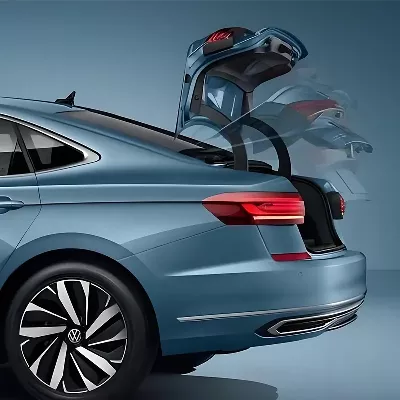
NEW: We now pack wiper blade adapter kits in different packaging types inside our workshop before carton loading.This service is not a separate product line — it is part of how we prepare OEM and wholesale orders for shipment.How Adapter Packaging Is Done in Our FactoryMost adapter packaging is comp
More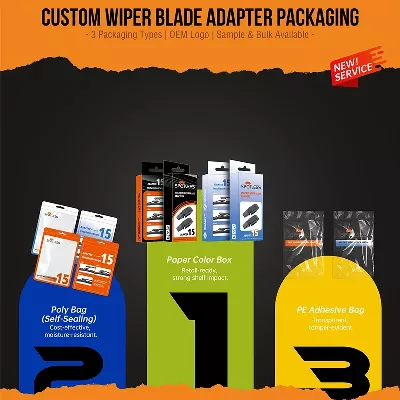
In the aftermarket wiper blade business, distributors and private label buyers are facing increasing pressure to differentiate their product lines.Standard products are widely available, and in many markets, competition is no longer just about price or basic quality — it’s about how a product stands
More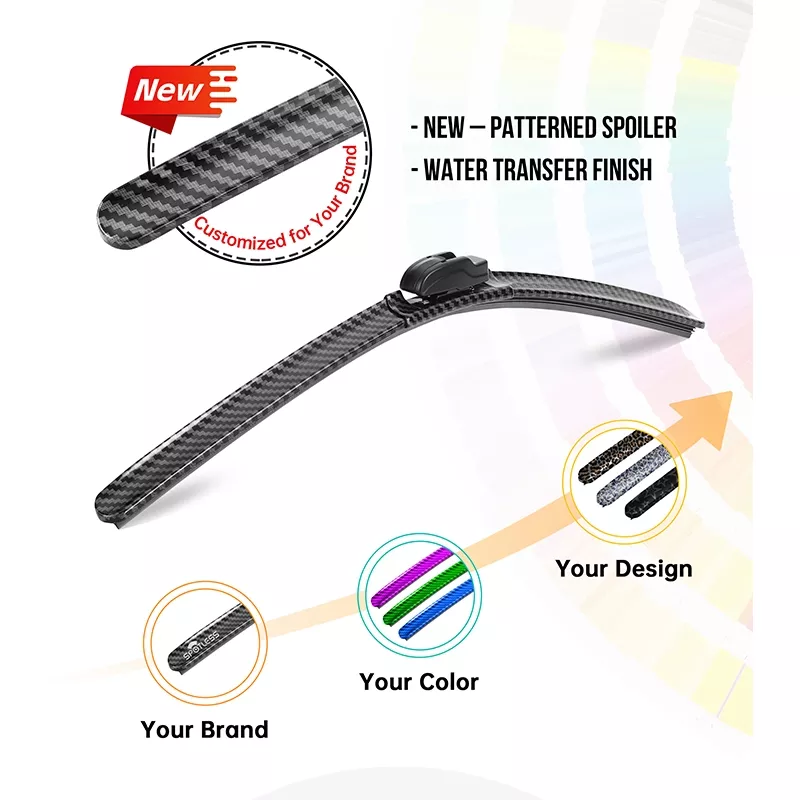
Noisy wiper blades are a common cause of customer complaints in the auto parts business. While specific return rates for this issue are unclear, overall automotive parts returns range from 10% to 16%, often linked to product performance and quality concerns. For wholesalers and retailers, noise
More
Why Do Similar Wiper Blades Have Different Prices?When buyers first receive our catalog, one of the most common questions is:Why do some wiper blades look almost identical?Why are there different prices?Why are some models recommended for Europe while others are better for retail markets?Why are the
More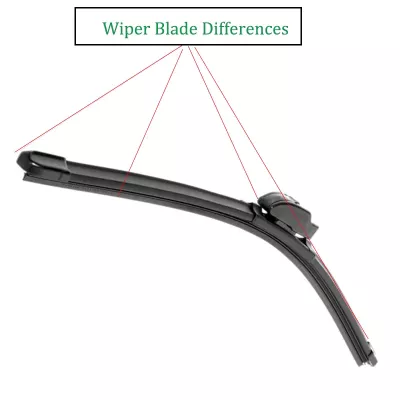
Quick Answer (For Distributors) In aftermarket wiper blade distribution, performance is often determined more by rubber quality and coating stability than by branding alone. Many distributors discover that streaking, noise, and early wear are more closely related to fri
More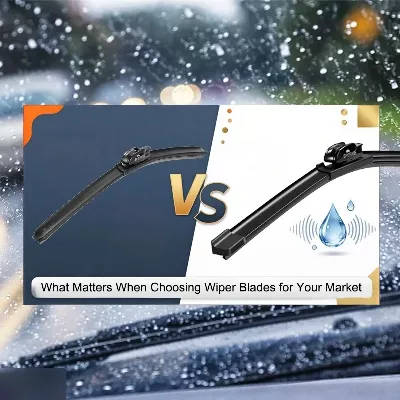
Quick Answer (For Distributors) Most wiper streaking problems are not caused by sudden manufacturing defects. In aftermarket distribution, streaking usually appears after real usage time and is commonly related to rubber wear, friction, or fitment conditions. Many distr
More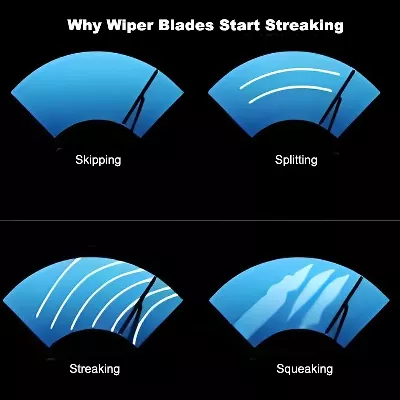
Are you facing unstable quality, high return rates, or too many SKUs?
We supply wiper blades and related accessories for distributors and private label brands.
Send us your requirements. We will reply within 24 hours.
Are you facing unstable quality, high return rates, or too many SKUs?
We supply wiper blades and related accessories for distributors and private label brands.
Send us your requirements. We will reply within 24 hours.

OEM wiper blade manufacturer since 2004,
Serving global distributors & private label brands.